I
Recognition
What mask have I been wearing?
The hardest movement, because the mask has been fluent for so long you have forgotten it is not your face.
This book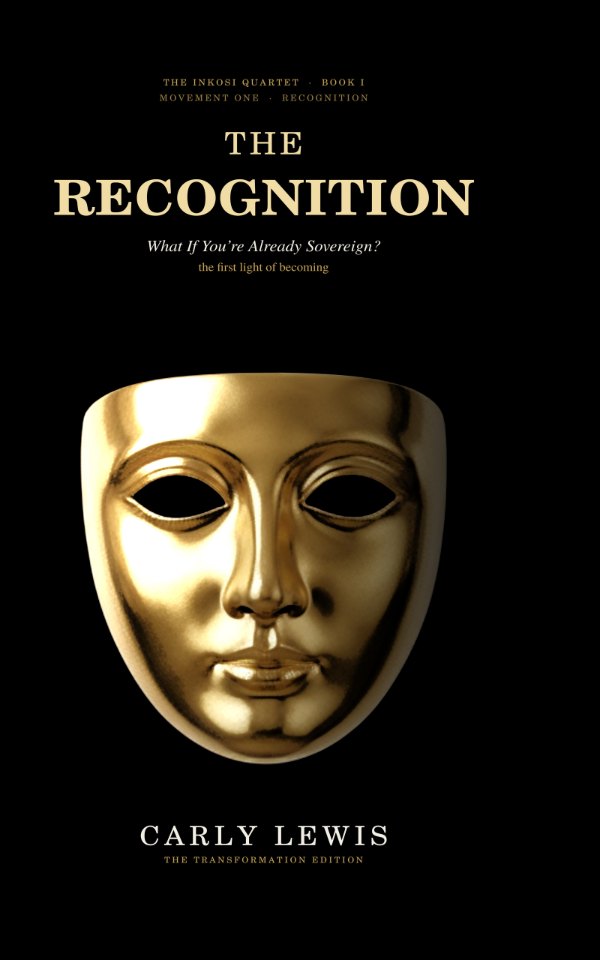
What mask have I been wearing?
What it costs to be excellent at a version of yourself you have outgrown — and what becomes available when you stop.
Recognition is the hardest of the four, and not because it hurts. It is hard because the performance has been fluent for so long that you have stopped experiencing it as a performance. It is simply how you do the job. How you are in the room. Who you are, as far as anyone can tell.
The book is about the moment that stops being true — and about the distinction underneath the whole practice, which is that being watched and being seen are not the same thing, and you have had a great deal of one.
It is not a workbook and it will not give you a morning routine. It gives you the language for something you have been living without a name for.
You cannot put down what you have not yet seen.
THE RECOGNITION named something I had been living for eleven years but could not articulate. I sent it to seven women immediately. Three of them called me within the hour.Managing DirectorPrivate equity, London
The methodology was built across eighteen years inside real organizations, with real leaders under real pressure. It moves in four movements — Recognition, Alchemy, Clarity, Embodiment. Each one is a question, and the questions are the work.
The hardest movement, because the mask has been fluent for so long you have forgotten it is not your face.
This bookWorking with what the mask was protecting — not to destroy it, but to understand what it was made of and what you actually needed.
The question the mask never allowed. Not what you are capable of — what you actually want, once you are no longer managing perception.
The work moves from the mind into the body, because the body registers the difference before the mind agrees to.
R.A.C.E. names the four movements of transformation. GLOWTH names where you stand within them.
The full catalogue of frameworks and patterns lives inside the coaching engagements rather than on this page. The book carries the architecture; the practice carries the instruments.
You have read the books. You can diagnose yourself accurately and at speed. If you are hoping for a framework you have not seen before, this is not that — the frameworks are not the scarce thing.
What you may not have had is a plain account of what the performance is costing, written by someone who has spent eighteen years watching women pay it.
Each is a standalone work and a movement in the larger architecture. Read them in order, or begin wherever the door opens.
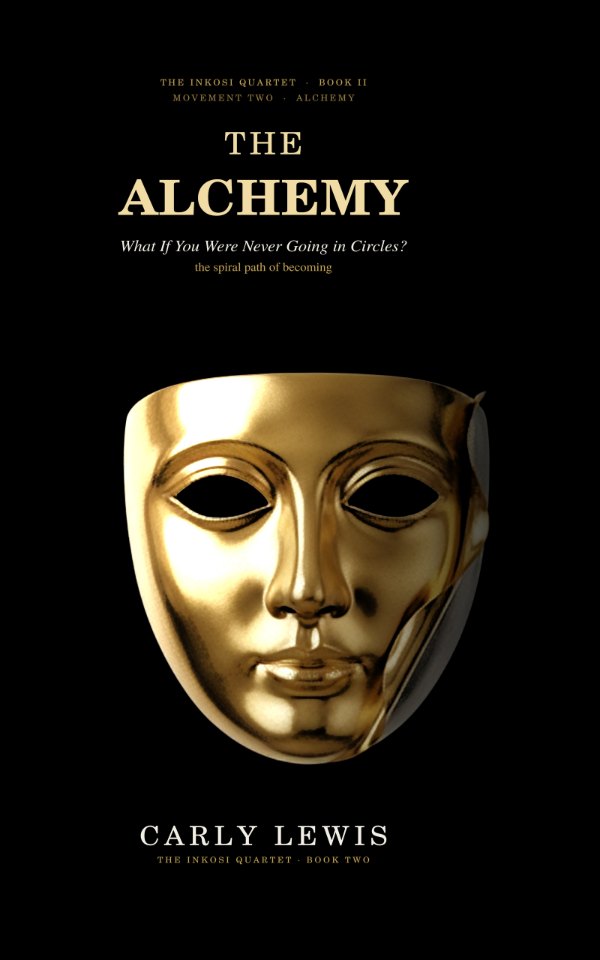
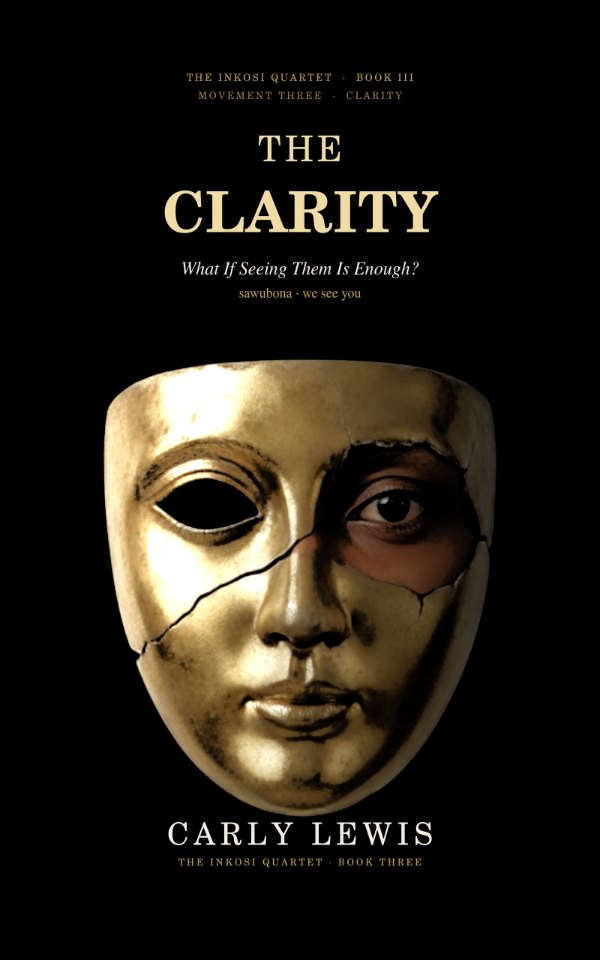
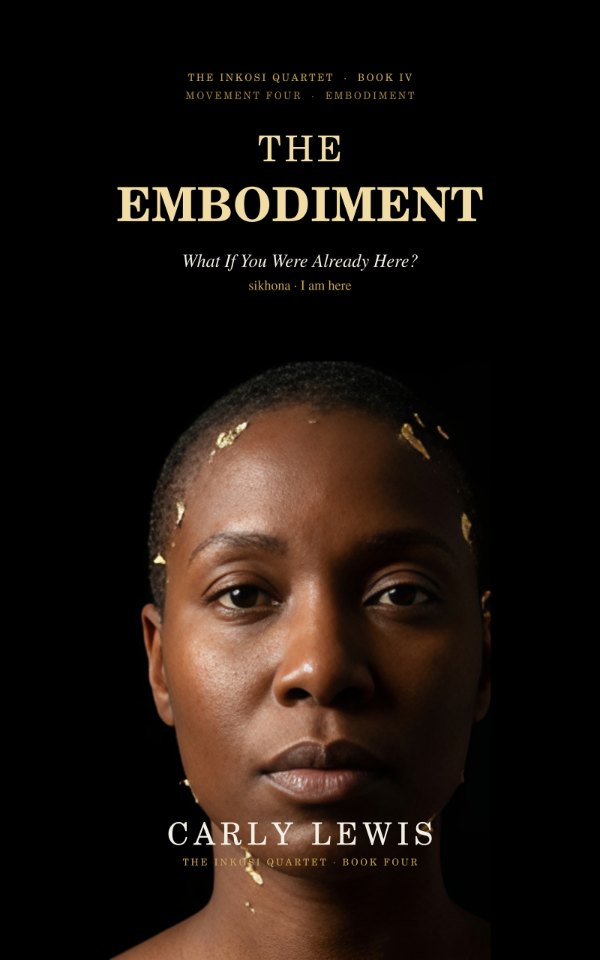
Sawubona — I see you. Sikhona — I am here. The isiZulu greeting and its answer, which is the whole practice in two words.
Book two publishes alongside a new edition of book one — the second movement, and the first one revisited with everything the years since have taught it.
One note when the covers are finished, one when it ships. Nothing else.
Unsubscribe in one click. No rush, and no countdowns — the work keeps.